
- Infection control
Infection control & your safety.
Infection prevention and control standards are important in maintaining a safe environment for patients by reducing the risk of the potential spread of disease from person to person. These routines are designed to eliminate the risk of infections and to ensure a safe and healthy environment for our patients, providers and visitors.
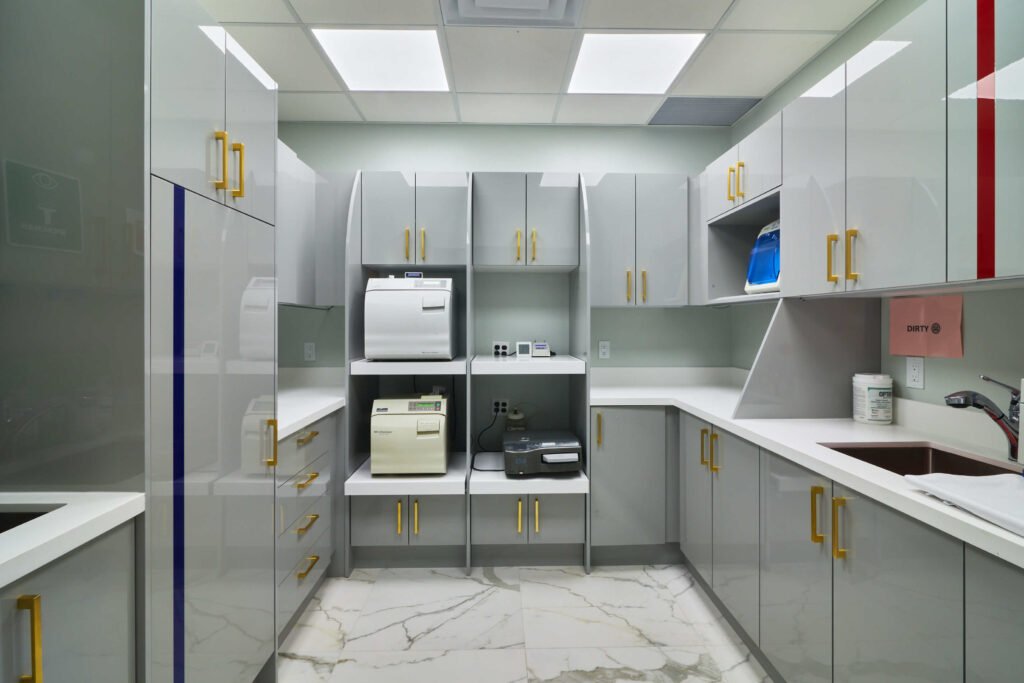
- Instruments sterilized after every patient
- Single-use disposables
- Surfaces disinfected between visits
The same standards are followed for each and every patient, at every visit.
The same standards for every patient.
Our standards are followed for each and every patient in the office. These standards mean that the dental provider treats each patient in the same way, using the same methods. Gloves are used for all dental procedures.
After each patient and procedure, gloves and masks are discarded, and hands are washed before a new pair of gloves is donned. Instruments are cleaned and sterilized, single-use items are discarded, and the treatment area is disinfected before the next patient is seated.
- Gloves for all dental procedures
- Fresh gloves and mask for every patient
- Hands washed before new gloves
- Heat-stable instruments autoclaved
- Every sterilized load tested
- Single-use needles and syringes
- Disposable surface covers
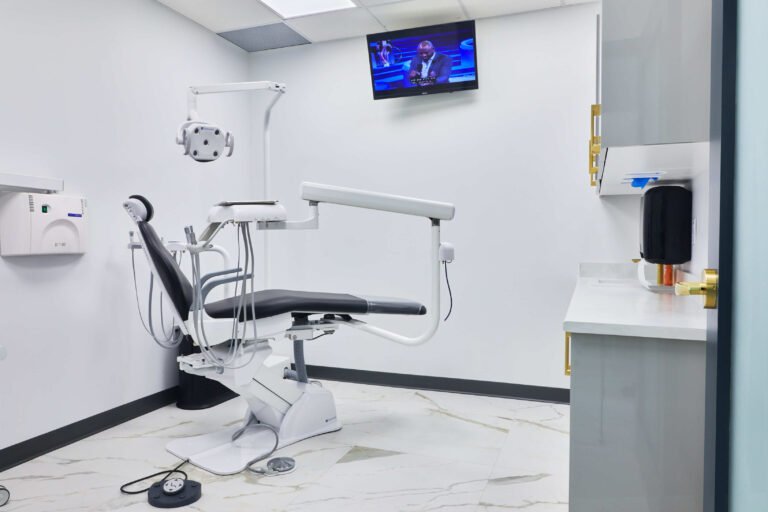
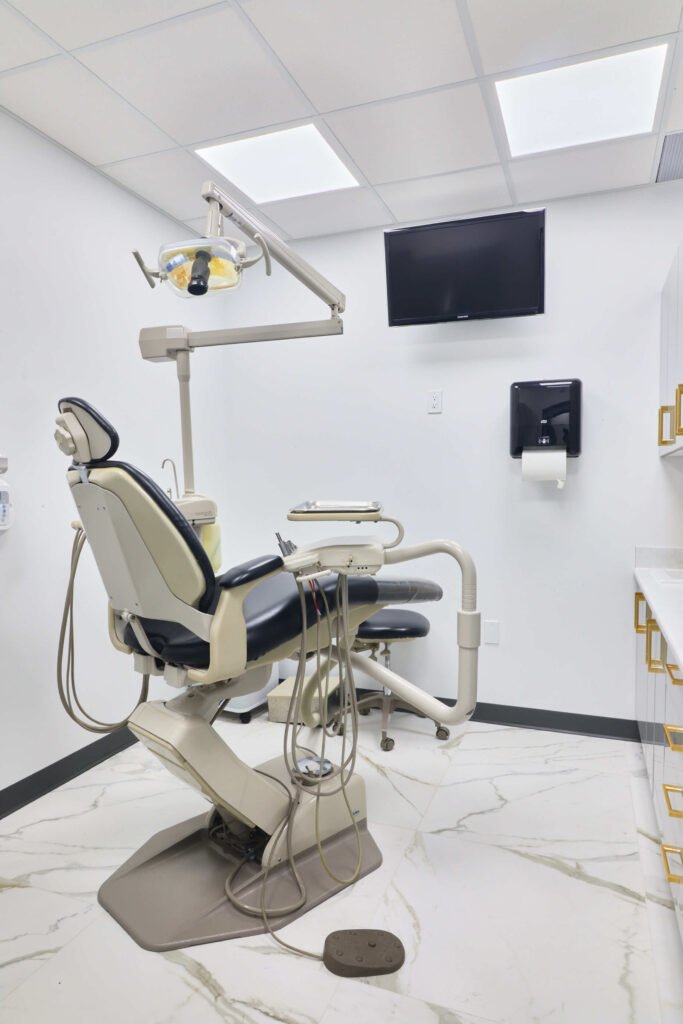
- Treatment areas disinfected after each patient
- Sharps in a designated container
- Plan reviewed every year
Clean, sterile and safe, every visit.
From the instruments in our sterilization area to the chair you sit in, every step follows established guidelines that all dental professionals must follow to protect you.
Gloves, masks and hand hygiene
Gloves are used for all dental procedures. After each patient, gloves and masks are discarded and hands are washed before a new pair of gloves is donned.
Instrument sterilization
Each instrument is cleaned to remove debris, then heat-stable instruments are sterilized by steam under pressure (autoclaving) and dry heat after every patient and procedure.
Every load is tested
Each sterilized load is tested to make sure instruments are in fact sterilized and all infectious organisms, including Hepatitis B, Hepatitis C, HIV and Tuberculosis, are killed.
Single-use disposables
Gloves, masks, needles, syringes, instrument tray covers and instruments that cannot withstand sterilization are used once and then discarded.
Surface disinfection
Your treatment area is cleaned and disinfected after each patient, and fresh disposable covers protect surfaces. The same applies to the sterilization area.
Needle-stick safety
Discarded needles are placed in a designated container to prevent needle-stick injuries, never in the regular waste collection.
- Infection control explained
Sterilizing vs. disinfecting.
We use both. Instruments are sterilized, and surfaces are cleaned with broad-spectrum disinfectants. Here is what each term means.
Sterilization
The process of making something free from bacteria or other living microorganisms. Sterilization kills all forms of life, including infectious organisms.
Disinfecting
The process of cleaning something in order to destroy bacteria. We disinfect every treatment area after each patient.
Broad spectrum
Effective against a wide range of bacteria. The four major components are Tuberculocidal, Virucidal, Fungicidal and Bactericidal.
Last revised May 2022. To be reviewed annually.
Questions about your safety?
Your health is important to all of our staff. If you have questions about how you are protected from infectious diseases, feel free to ask your dental professionals. They would be happy to discuss these issues to make you feel more comfortable and secure about your dental visit.
Tuberculocidal
Our broad-spectrum disinfectants are effective against the bacteria that cause tuberculosis.
Virucidal
They inactivate viruses on treatment surfaces between patients.
Fungicidal
They kill fungi, keeping every treatment area clean.
Bactericidal
They destroy a wide range of bacteria on surfaces and equipment.