
Jaw surgery to improve function and appearance
Orthognathic surgery changes the structure and alignment of the jaw to improve how your jaws and teeth work together. It can help you breathe, chew, talk and sleep better, and may improve your appearance at the same time. Your dentist coordinates your care with an oral and maxillofacial surgeon and orthodontist.
Benefits of orthognathic surgery
One type of surgery can help with many different conditions. It may:
- Improve chewing and biting
- Make swallowing easier
- Relieve chronic jaw pain (TMJ)
- Ease headaches
- Even out wear on your teeth
- Close an open bite
- Balance your facial appearance
- Repair a facial injury or correct certain birth defects
- Realign a receding or protruding jaw
- Make it easier to close your lips
- Help you breathe through your nose
- Treat sleep apnea
A commitment that pays off
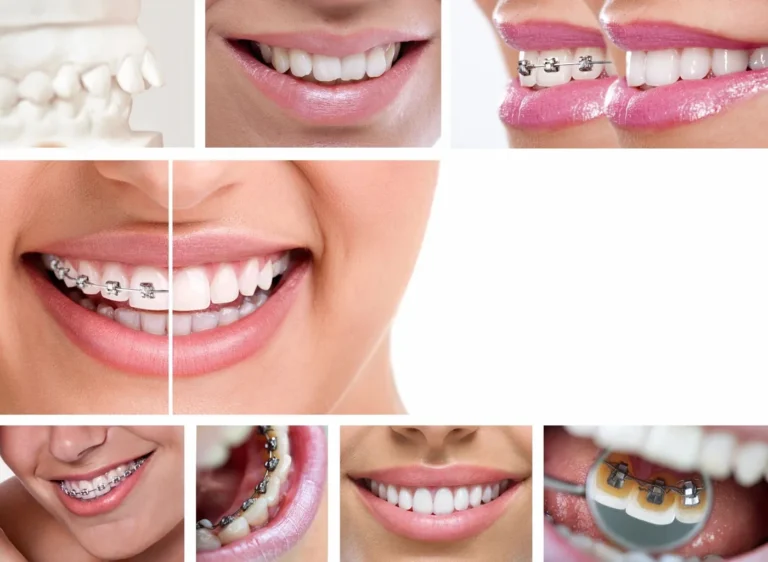
The surgeon works with your dentist and orthodontist to create your treatment plan. Surgery takes several hours, but the full treatment can take longer, as many people wear braces before and after surgery to align their teeth.
How it is done
Orthognathic surgery is done under general anesthesia. The surgeon repositions the jaw bones according to your plan. In nearly all cases, the incisions are made inside the mouth, so there are no visible scars on the face.
Recovery
Initial jaw healing takes about 9 to 12 months, and full recovery can take up to a year. You will receive aftercare instructions and any prescriptions you need. It is important to follow your diet plan closely, starting with liquids, moving to soft foods, and avoiding hard-to-chew foods until your surgeon confirms your jaw has healed.