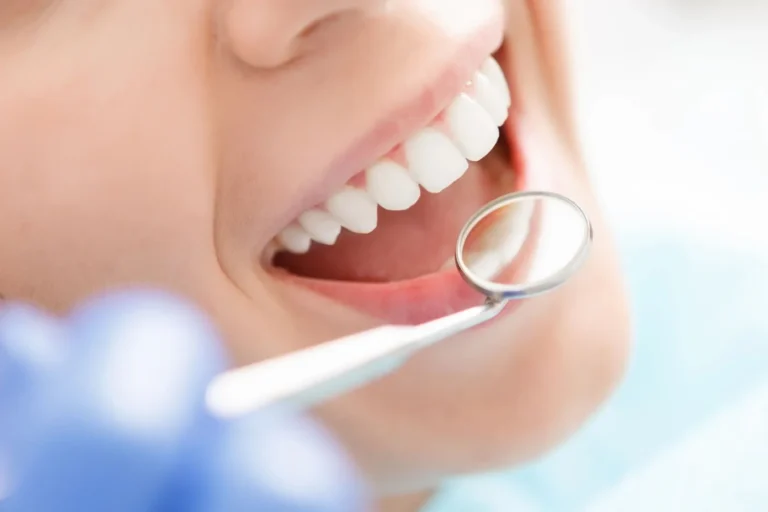

Correct dental imperfections with cosmetic bonding
Larger cosmetic problems may need more extensive treatment, but many imperfections are too small to justify it. In these cases, dental bonding does the job in a more cost-effective way, often in a single visit to our office.
What is dental bonding?
Bonding closes and covers small imperfections with a tooth-coloured resin that your dentist shapes directly on your teeth. It can also be used to fill front teeth that show when you smile or talk. Bonding usually lasts up to 10 years, with touch-ups along the way, and takes up to an hour per tooth.
When is dental bonding used?
The best way to know if bonding is right for you is an exam. Whether the problem comes from a minor injury or normal wear, bonding is often used to:
- Change the shape of a tooth
- Repair small chips or cracks
- Cover stains
- Protect an exposed root
- Make a tooth match the size of its neighbours
- Fill a cavity in a front tooth
- Close gaps between teeth
How is dental bonding done?
Anesthetic is usually not needed unless a cavity is being filled. Your dentist lightly roughens the tooth surface and applies a conditioning solution, then applies the resin and shapes it carefully for a natural look. A special light hardens the resin, and your dentist makes final adjustments and polishes it.
Caring for bonded teeth
Care for bonded teeth as you would your natural teeth. Brush and floss twice a day, keep your checkups and cleanings, and call us if you notice any chips or rough spots. You can chew and speak normally right away.